Be yourself; Everyone else is already taken.
— Oscar Wilde.
This is the first post on my new blog. I’m just getting this new blog going, so stay tuned for more. Subscribe below to get notified when I post new updates.
Be yourself; Everyone else is already taken.
— Oscar Wilde.
This is the first post on my new blog. I’m just getting this new blog going, so stay tuned for more. Subscribe below to get notified when I post new updates.

These days, it seems like everyone is talking about the ketogenic (in short, keto) diet – the very low-carbohydrate, moderate protein, high-fat eating plan that transforms your body into a fat-burning machine. Hollywood stars and professional athletes have publicly touted this diet’s benefits, from losing weight, lowering blood sugar, fighting inflammation, reducing cancer risk, increasing energy, to slowing down aging. So is keto something that you should consider taking on? The following will explain what this diet is all about, the pros and cons, as well as the problems to look out for.
What Is Keto?
Normally, the body uses glucose as the main source of fuel for energy. When you are on a keto diet and you are eating very few carbs with only moderate amounts of protein (excess protein can be converted to carbs), your body switches its fuel supply to run mostly on fat. The liver produces ketones (a type of fatty acid) from fat. These ketones become a fuel source for the body, especially the brain which consumes plenty of energy and can run on either glucose or ketones.
When the body produces ketones, it enters a metabolic state called ketosis. Fasting is the easiest way to achieve ketosis. When you are fasting or eating very few carbs and only moderate amounts of protein, your body turns to burning stored fat for fuel. That is why people tend to lose more weight on the keto diet.
Benefits Of The Keto Diet
The keto diet is not new. It started being used in the 1920s as a medical therapy to treat epilepsy in children, but when anti-epileptic drugs came to the market, the diet fell into obscurity until recently. Given its success in reducing the number of seizures in epileptic patients, more and more research is being done on the ability of the diet to treat a range of neurologic disorders and other types of chronic illnesses.
Comparing Standard American, Paleo, & Keto Diets
(As a % of total caloric intake)
__________________________Carbs__________Protein_________Fat
Standard American Diet_____40-60%_________15-30%_________15-40%
Paleo Diet_________________20-40%_________20-35%_________25-50%
Keo Diet________________ __5-10%__________10-15%_________70-80%
The key distinction between the keto diet and the standard American or Paleo diets is that it contains far fewer carbs and much more fat. The keto diet results in ketosis with circulating ketones ranging from 0.5-5.0 mM. This can be measured using a home blood ketone monitor with ketone test strips. (Please know that testing ketones in urine is not accurate.)
How To Formulate A Keto Diet
1. Carbohydrates
For most people, to achieve ketosis (getting ketones above 0.5 mM) requires them to restrict carbs to somewhere between 20-50 grams (g)/day. The actual amount of carbs will vary from person to person. Generally, the more insulin resistant a person is, the more resistant they are to ketosis. Some insulin sensitive athletes exercising vigorously can consume more than 50 g/day and remain in ketosis, whereas individuals with type 2 diabetes and insulin resistance may need to be closer to 20-30 g/day.
When calculating carbs, one is allowed to use net carbs, meaning total carbs minus fiber and sugar alcohols. The concept of net carbs is to incorporate only carbs that increase blood sugar and insulin. Fiber does not have any metabolic or hormonal impact and so do most sugar alcohols. The exception is maltitol, which can have a non-trivial impact on blood sugar and insulin. Therefore, if maltitol is on the ingredient list, sugar alcohol should not be deducted from total carbs.
The level of carbs one can consume and remain in ketosis may also change over time depending on keto adaptation, weight loss, exercise habits, medications, etc. Therefore, one should measure his/her ketone levels on a routine basis.
In terms of the overall diet, carb-dense foods like pastas, cereals, potatoes, rice, beans, sugary sweets, sodas, juices, and beer are not suitable.
Most dairy products contain carbs in the form of lactose (milk sugar). However, some have less carbs and can be used regularly. These include hard cheeses (Parmesan, cheddar), soft, high-fat cheeses (Brie), full-fat cream cheese, heavy whipping cream, and sour cream.
A carb level less than 50 g/day generally breaks down to the following:
Beverages
Most people require at least half a gallon of total fluid per day. The best sources are filtered water, organic coffee and tea (regular and decaf, unsweetened), and unsweetened almond and coconut milk. Diet sodas and drinks are best avoided as they contain artificial sweeteners. If you drink red or white wine, limit to 1-2 glasses, the dryer the better. If you drink spirits, avoid the sweetened mixed drinks.
2. Protein
A keto diet is not a high protein diet. The reason is that protein increases insulin and can be converted to glucose through a process called gluconeogenesis, hence, inhibiting ketosis. However, a keto diet should not be too low in protein either as it can lead to loss of muscle tissue and function.
The average adult requires about 0.8-1.5 g per kilogram (kg) of lean body mass per day. It is important to make the calculation based on lean body mass, not total body weight. The reason is because fat mass does not require protein to maintain, only the lean muscle mass.
For example, if an individual weighs 150 lbs (or 150/2.2 = 68.18 kg) and has a body fat content of 20% (or lean body mass of 80% = 68.18 kg x 0.8 = 54.55 kg), the protein requirement may range from 44 (= 54.55 x 0.8) to 82 (= 54.55 x 1.5) g/day.
Those who are insulin resistant or doing the keto diet for therapeutic reasons (cancer, epilepsy, etc.) should aim to be closer to the lower protein limit. The higher limit is for those who are very active or athletic. For everyone else who is using the keto diet for weight loss or other health benefits, the amount of daily protein can be somewhere in between.
Best sources of high quality protein include:
3. Fat
Having figured out the exact amounts of carbs and protein to eat, the rest of the diet comes from fat. A keto diet is necessarily high in fat. If sufficient fat is eaten, body weight is maintained. If weigh loss is desired, one should consume less dietary fat and rely on stored body fat for energy expenditure instead.
(As a % of total caloric intake)
_________________________Maintain Weight_______Lose Weight
Carbs____________________5-10%________________5-10%
Protein__________________10-15%_______________10-15%
Fat from diet_____________70-80%_______________35-40%
Fat from stored body fat___0%___________________35-40%
For individuals who consume 2,000 calories a day to maintain their weight, daily fat intakes range from about 156-178 g/day. For large or very active individuals with high energy requirements who are maintaining weight, fat intakes may even exceed 300 g/day.
Most people can tolerate high intakes of fat, but certain conditions such as gallbladder removal may affect the amount of fat that can be consumed at a single meal. In which case, more frequent meals or use of bile salts or pancreatic enzymes high in lipase may be helpful.
Avoid eating undesirable fats such as trans fat, highly refined polyunsaturated vegetable oils, as well as high amounts of omega-6 polyunsaturated fats.
Best foods to obtain high quality fats include:
MCT is a specific type of fat that is metabolized differently from regular long-chain fatty acids. The liver can use MCTs to rapidly produce energy, even before glucose, thus allowing an increased production of ketones.
Concentrated sources of MCT oil are available as supplements. Many people use them to help achieve ketosis. The only food that is uniquely high in MCTs is coconut oil. About two-thirds of the coconut fat is derived from MCT.
Who Should Be Cautious With A Keto Diet?
For most people, a keto diet is very safe. However, there are certain individuals who need to take special care and discuss with their doctors before going on such a diet.
Common Concerns With A Keto Diet
Is Keto Safe For Long-Term?
This is an area of some controversy. Though there have not been any studies indicating any adverse long-term effects of being on a keto diet, many experts now believe that the body may develop a “resistance” to the benefits of ketosis unless one regularly cycles in and out of it. In addition, eating a very high-fat diet in the long-term may not be suitable for all body types.
Cyclical keto diet
Once you are able to generate over 0.5 mM of ketones in the blood on a consistent basis, it is time to start reintroducing carbs back into the diet. Instead of eating merely 20-50 g of carbs/day, you may want to increase it to 100-150 g on those carb-feeding days. Typically, 2-3 times a week will be sufficient. Ideally, this is also done on strength training days on which you actually increase your protein intake.
This approach of cycling may make the diet plan more acceptable to some people who are reluctant to permanently eliminate some of their favorite foods. However, it may also lower resolve and commitment to the keto diet or trigger binges in susceptible individuals.
Carol Chuang is a Certified Nutrition Specialist. She has a Masters degree in Nutrition and is a Certified Gluten Practitioner. She specializes in Metabolic Typing and Functional Diagnostic Nutrition.
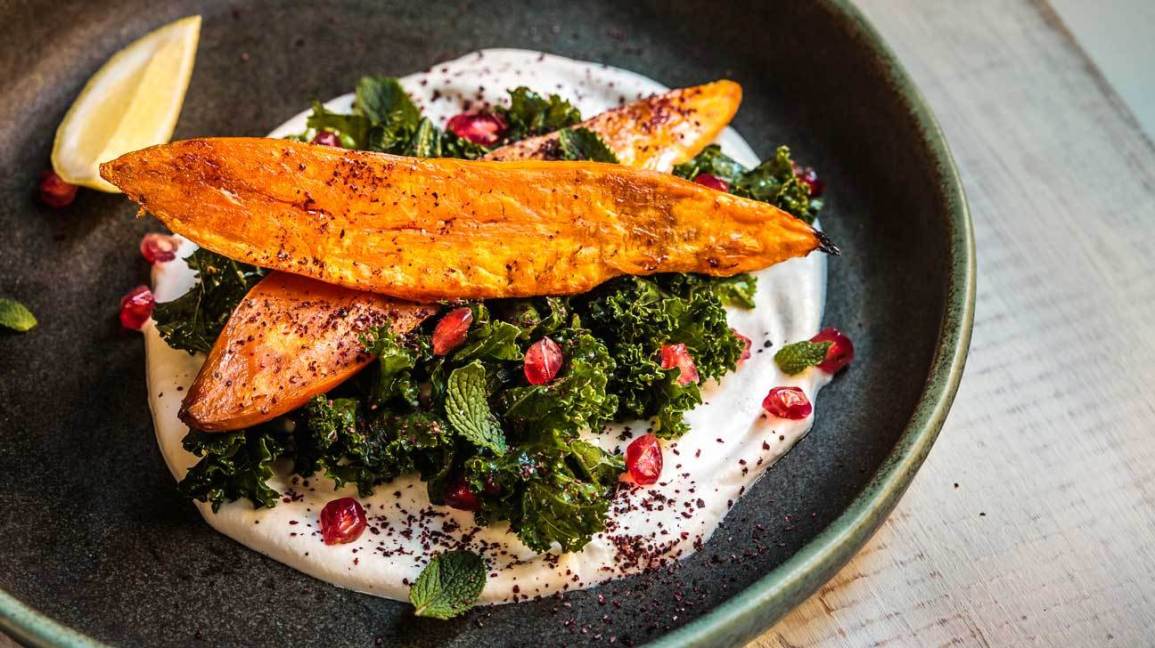
Sooner or later, most of us gets to a point in our lives where food is as much about health as it is about flavor. Our first reaction to this reality is usually anxiety over every single dish that’s placed in front of us. This article is designed to take some of the mystery out of the low fat diet, so, while we’re healing our bodies, we don’t wreck our minds with worry. While some fats should be significantly reduced, others should be increased, creating a diet that balances fats. We do this by eating a variety of foods from various food groups which range from non-fat to low fat to high concentrations of good fats.
Low Fat Diet Plan-A Balancing Act: Contrary to the beliefs of some, a non-fat diet can be very harmful. Some fats are necessary for bodily processes and the lack of them can cause serious diseases. The healthy range of dietary fat is 10-40%, with 20-30% being optimum. 20% fat means that 20% of the calories in your diet come from fats. Since fats have twice as many calories as proteins or carbohydrates, reducing fat is the easiest way to plan a weight loss diet. The real balancing act comes in when we consider what types of fats we want to eat and what to avoid.
Avoiding Cholesterol, Trans-Fats & Saturated Fats: Cholesterol used to be the fat monster that would kill you, so you had to avoid it at all cost. Later research discovered we were throwing out the baby with the bath water, because some cholesterols (HDL) were, in fact, good for us, helping to fight the bad ones (LDL & VLDL) and prevent the very diseases we thought total cholesterol was causing. To further complicate things, diet and exercise alone didn’t help some people, like me, whose bodies actually manufactured cholesterol to make up for the deficiency. A great many drugs have been developed for us so we can regulate the cholesterol our bodies produce. Saturated fats are still villains in the health world, and should be avoided as much as possible.
The best way to reduce cholesterol and saturated fats is to reduce your consumption of animal products; beef, pork, lamb, milk, cheese, eggs, Ice cream, etc. We use low (1%) fat milk. Sometimes we have to settle for 2% low fat milk and it tastes so rich we don’t like it as much. Low fat can become a habit. Skinless poultry breasts, Swiss and mozzarella cheeses are low fat animal products. We’ve found ground turkey breast is a great substitute for ground beef in all our recipes. If you want a redder color, add paprika.
Trans-fats were the healthy choice when we were avoiding cholesterol, but now we’ve learned they are harmful, too. Margarine and many processed foods contain high levels of trans-fats. I still use a trans-fat margarine because I don’t feel we eat enough of it to worry about. Remember, we’re talking balance…not extremism.
Non-Fat Food Groups: Probably the best way to reduce the fats in our diets is to add non-fat foods. These include all fruits and most vegetables. Those high in fats, like avocados, usually have fats that are good for us in small quantities, so, add lots of fresh fruits and vegetables to your diet.
Good Fat Foods: Because some fats actually help our bodies fight cancers and heart diseases, it’s good to add foods high in these fats to our diets. For cooking oils and shortening, it’s best to use those based on canola oil or omega 3. In fact, omega 3 oils are so good for us, many use nutritional supplements. All fish have good amounts of Omega 3 oils. Salmon and other deep-water fish have especially high concentrations of omega 3’s. We should make sure these foods are a regular part of our diets.
Prepared Food Labels And Fat: To determine if a packaged food is actually low in fat, first, note the serving size. All the other amounts on the label are based on that amount, not the whole package. Two other items on the label you need to analyze are…”calories” and “calories from fat.” With a pocket calculator (or cell phone) divide the smaller number by the larger. This should result in a number that looks like “0.25xx.” The first two digits after the decimal point is the percentage of calories from fat, or 25% in this example. Finally, though you don’t need to analyze the numbers, it’s good to look at the saturated fat and trans-fat content…if these seem to be most of the fat, you might want to pass on the the product.
Once we get in the habit of eating lots of fresh fruits and vegetables, eating fish, and reading the labels of all packaged foods, we discover a low fat diet plan is not that difficult. We don’t need to be nutritionists, vegetarians or health nuts to get the excess fat out of our diets. We don’t even need to sacrifice tasty and convenient foods. All we need is a desire to develop a few new habits and stick to them.
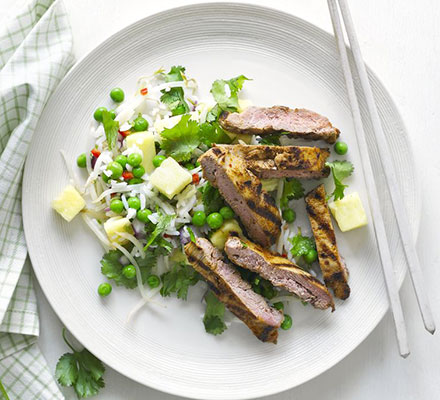
Many people these days are talking about the low fat foods list. This is because more and more individuals are now becoming alert and are aiming to live healthy lifestyles.
Pick out healthier foods when preparing meals. Search for new cooking methods as well as some recipes you have not tried before. Make sure that the meals you prepare are low in fats and are extremely healthy.
Have you got any idea what food to include when preparing healthier meals? Such foods are available in the low fat foods list. I have listed out a few of the many low fat foods to help you get started.
The Low Fat Foods List:
#1 – Meat
When you buy meat, look out for lean meats. Take pleasure in white meats, fish, and poultry. Take away pores and skin poultry. These are the healthier methods to preparing your meals; bake, broil and roast.
#2 – Fish
Most fishes have low percentage of saturated fats. Omega-3 fatty acids are found in some fatty fish. For instance, salmon fish. Eating fish can help lower the risk of coronary heart disease in some people.
#3 – Dried Peas And Beans
These low fat foods are are rich in fiber and protein. Better yet, they are extremely low in cholesterol. Dried Peas and beans can also help to improve total cholesterol level.
#4 – Egg White
Restrict your egg yolk consumption with one egg white just for every egg yolk enjoyed. You will not notice the big difference. Most importantly, you will take pleasure in your egg preparations just as you did before.
#5 – Cheese And Skimmed Milk
Select skimmed milk or low fats buttermilk. Also, choose cheeses that are low in fat. How about, fat-free cottage cheese, cream cheese and arduous cheeses?
#6 – Bread, Cereal, Rice and Pasta
Whole grain breads, complete wheat flour, cereals such oatmeal and bran are low in fat. They are high in fiber and complicated carbohydrates.
#7 – Fruits And Greens
Vegetables and fruit are high in soluble fiber and are natural low fat foods. Researches have proven that fresh fruits and vegetables are glorious for maintaining general well-being. This way, you can refrain from being victims of many severe illnesses.
 Losing weight is really about losing fat, so naturally, eating less fat seems like the logical solution. But unfortunately it’s not quite that simple. There are so many different kinds of fats in the foods we eat, and some are actually good for us! Add to that the variety of low fat diet plans available, and suddenly what seemed like a simple solution is now a whole lot more complicated! So we’ve decided to break it down for you, and let you in on a few secrets for success with low fat diets.
The Low Down on Fats
It’s important to be aware of the different kinds of fats and their effects on the body, especially the ones to avoid. Saturated fats have been identified as the main dietary cause of high blood cholesterol, which contributes to heart disease. The American Heart Association recommends that your saturated fat intake is no more than 7% of total daily calories. Then there’s hydrogenated fats. These are fats that have undergone chemical processing, making them similar to saturated fats, which means they also contribute to high cholesterol. The process of making hydrogenated fats, produces trans-fatty acids, which should be avoided. According to the American Heart Association, your intake of these trans fats should be less than 1% of total calories, since they are worse than saturated fats when it comes to high cholesterol. Even if you don’t have high cholesterol now, if you happen to be overweight then you’re at risk of developing it later on. For this reason, a low fat diet plan is a great way to not only lose weight, but also reduce your risk of further health problems.
Now, the good news is that unsaturated fats, such as polyunsaturated and monounsaturated fats may actually help lower blood cholesterol, but the key is to consume them in moderation. The American Heart Association recommends that your total fat intake is between 25 – 35% of total daily calories, but should mostly be made up of unsaturated fats. So this means that a healthy low fat diet plan is not one with no fat whatsoever. In fact, it is quite healthy for one third of the calories in a diet plan to come from fats, provided they are the right kind of fats. Does this mean that as long as you keep an eye on your total calories, you can enjoy healthy fats and still lose weight too? Well, in theory, yes, but in reality you may have trouble sticking to your diet plan. Below are the reasons why.
Minimize Calories, Maximize Fiber
The catch is that these healthy, unsaturated fats contain a lot more calories per gram, and don’t provide the same feeling of fullness, when compared to other high fiber foods. The trick to successfully losing weight, is to minimize the amount of calories you consume, and at the same time maximize the amount of fiber you consume. In this way, low fat diet plans can really work wonders by cutting out the foods that have concentrated calories, and which you also need to eat more of to feel full. Instead, foods that are high in fiber make us feel more full or satisfied and make dieting a whole lot easier!
You’ll find that the best low fat diet plans are ones that include a variety of high fiber foods, such as fruit, vegetables and cereals. It is so important to feel that your hunger is satisfied while on a diet plan, be it a low fat diet plan, or any other plan for that matter. This is really key to avoiding the temptation to snack between meals and going over your ‘calorie budget’. High fiber foods also have a lot of other health benefits, such as reducing the risk of bowel cancer. Keep this information in mind when looking for a low fat diet plan, so you can choose one that promotes your future health and ensures you start losing weight today!
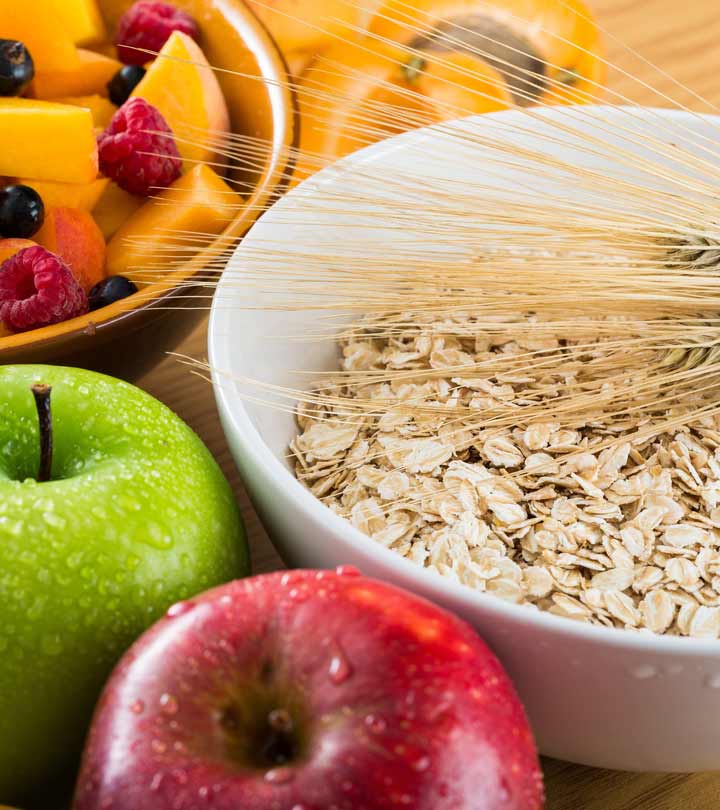 Many Type 1 and Type 2 diabetics steer clear of Indian food because it tends to be loaded with blood sugar skyrocketing refined carbs. However, Indian food is more than Mango lassis and garlic naan. There are many tasty and flavorful Indian foods that can satisfy your curry cravings without making your blood sugar fly out of control.
Tandoori Roti: Nothing beats dipping a crispy piece of Indian bread in a spicy Indian side dish like Daal or Aloo Gobi. However, most Indian breads are of the refined variety, meaning they are low in fiber but rich in high glycemic index carbs.
Tandoori roti is a whole grain Indian bread that won’t impact your blood sugar as much as highly refined breads like naan and dosa. However, roti is high in total carbs and you should limit your portions of this bread during your meal to a single piece.
Chana Masala: Indian cuisine is a vegetarians paradise because its foundation is healthy protein sources like legumes. Chana masala is a fiery Northern Indian classic that contains generous amounts of chickpeas. Chickpeas and other beans are important for diabetics because not only are they digested slowly, but the soluble fiber they contain delays the digestion of the rest of the meal.
Bhindi Masala: Okra is a common veggie in Indian that’s gaining more and more popularity stateside. With a unique flavor and texture, it’s no wonder that more and more people are seeking out this green veggie rich in dietary fiber and B vitamins.
Vegetables like okra are a must for diabetic diets because they have a low glycemic index and help you lose excess pounds. Bhindi masala ups the ante on plain-old okra, making it a spicy dish bursting with healthy flavor. Also, a Chinese study found that a compound in Okra reduced the risk of diabetic related kidney damage.
Daal: Indian daal is a lentil-based dish that’s a must at many authentic Indian dinner tables. Lentils are higher in protein and fiber than other carb sources like whole wheat bread or rice.
Tandoori Fish: Fish is bursting with omega-3 fats, which reduce inflammation and make blood sugar management easier. Replacing fatty meats in your diet, like pork, can also reduce your risk of heart disease… a condition that most Type 2 diabetics ultimately die from. Tandoori takes boring fish and turns it into a flavor-bursting grilled treat. Tandoori fish pairs perfectly with diabetic friendly Indian dishes like vegetable curry.
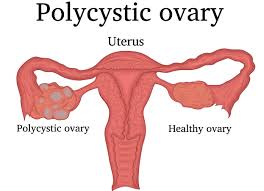
There is a list of dos and dont’s for those females who have been diagnosed with PCOS, for those activities which are related to lifestyle and never the less, DIET. Below listed are a few ingredients which when included in your diet can help you get rid of PCOS in a natural way.
Why go for those medicines which will get you out of the symptoms but might leave behind those harmful side effects of consuming medicines. I would rather make some dietary changes to keep a check on the intensity of the disease and try my luck before I harm myself more. Including carbohydrates, proteins, fruits, vegetables in your meals help you cure PCOS.
Insulin resistance is the cause for poly cystic ovaries. In case of PCOS, body is producing more amount of insulin to control blood sugar which causes the ovaries to produce more amounts of male hormones. There are several complications associated with PCOS. One of the major complication is Infertility. Since PCOD is related to insulin resistance, consuming low calorie foods which provide you the necessary ingredients but don’t increase your insulin would go a long way in curing the symptoms. One should pay special attention towards curing PCOS as if not treated within time, it can also result in side effects like cardiovascular diseases, liver disorders, diabetes mellitus and never the less, cancer.
Below, i have tried to list down a few of the recommended Diet for PCOS:
Fruits: The one usually recommended for women with poly cystic ovaries as diet for PCOS. They also boost up the body resistance by providing the essential vitamins & minerals. Being high in dietary fiber, give an early feeling of satiety. Most of the fruits also contain high amount of moisture along with vitamins, contributing to a clear and supple skin.
Best Vegetables: Diet for PCOS may contain various control measures, eating healthy food and avoiding junk food, but consumption of vegetables would surely help you to keep the symptoms under a check.
Cinnamon Benefits: It can not only reduce blood glucose levels but also improve lipid profile.
Basil Benefits: Basil possesses anti androgenic properties which can work one of the better natural remedies for PCOS.
Soy Isoflavones Benefits: Soy isoflavones may prove to be valuable for women with PCOS, as they hold the unique property of both reducing and increasing the levels of estrogen by contending with the estrogen hormones.
Vitamin B: B2 is a vital vitamin which plays a major role in conversion of macro nutrients (carbohydrates, fat & proteins) into useful energy.
Minerals: Chromium – This is the most important mineral for women with PCOS. Insulin uses chromium for it’s activity in carbohydrate metabolism. It’s deficiency in the body may result in Insulin Resistance.
Low glycemic Food: They are helpful in aiding in weight loss, Controlling of blood sugar, Improving lipid profile, Achieving hormonal balance, Trimming down all masculine features such as hirsutism, baldness, acne, Increasing fertility chances.
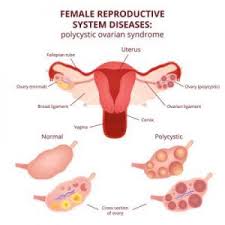
The endocrine disorders among females are of various types but the most common one is the polycystic ovary syndrome (PCOS) which is basically an inherited disorder and can be received from either parent. The chances of occurrence of this disorder vary from 5-10% among the females of age group of 12-45 resulting in female sub-fertility. This endocrine disorder can be identified by anovulation which is diagnosed by irregular menstruation, amenorrhea, polycystic ovaries, ovulation-related infertility, excessive secretion of androgenic hormones that cause hirsutism and acne. High cholesterol level, type 2 diabetes, insulin resistance are other known symptoms. All these symptoms vary among different individuals. The disorder is known by a number of other names like polycystic ovary disease, functional ovarian hyperandrogenism, ovarian hyperthecosis and Stein-Leventhal syndrome. A polycystic ovary has abnormal number of eggs that can be viewed near its surface resembling cysts.
Polycystic ovary syndrome is generally described by two definitions. First definition was given by NIH or NICHD in 1990 which suggests that if a female is suffering from oligoovulation, shows signs of androgen excess and other entities that result in polycystic ovaries then the female is suffering from this endocrine disorder. The second definition was given in a workshop sponsored by ESHRE/ASRM held in Rotterdam in 2003 which predicts that if a female is suffering from oligoovulation or anovulation, has excess androgen activity and symptoms of polycystic ovary then she is suffering from polycystic ovary disease. The second definition appears to be wider and acceptable. The chief symptoms of the polycystic ovary syndrome include menstrual disorders chiefly amenorrhea and oligomenorrhea but other menstrual disorders may also crop up. Chronic anovulation results in infertility. High levels of androgens result in acne and hirsutism. Hypermenorrhea and other symptoms can also make their appearance. About three quarters of the females suffering from this endocrine disorder generally suffer from hyperandrogenemia. Central obesity and insulin resistance are also noticed. Serum insulin and homocysteine levels are significantly higher in females with this disease.
It is not always necessary that the women suffering from polycystic ovary syndrome (PCOS) may have polycystic ovaries and similar is the condition that all the women with polycystic ovaries may not suffer from this syndrome. The syndrome can be easily diagnosed by the pelvic ultrasound but other diagnostic tools are also available. History of the individual based on menstrual pattern, obesity, hirsutism and absence of breast development can help the medical professional. Gynecologic ultrasonography can be performed which helps in the detection of small ovarian follicles. These small follicles are believed to be formed due to disturbed ovarian function where ovulation has failed to take place due to absence of menstruation. In a normal menstrual cycle a single egg is released from the dominant follicle. After ovulation, the remnant of the follicle is converted into a characteristic structure known as corpus luteum formed by the action of progesterone. This structure finally disappears after 12-14 days. In polycystic ovary syndrome, although a number of follicles are formed but none of them grows more than 5-7 mm in length and fail to enter the preovulatory stage of the menstrual cycle. According to the Rotterdam criteria there must be 12 or more than 12 small follicles detected in the ultrasound. These small follicles are generally present near the periphery of the ovarian wall giving it the appearance of string of pearls. The ovary enlarges and attains a size which is 1.5 to 3 times greater than the normal size and this is due to the presence of these abnormal follicles.
Laparoscopic examinations depict the presence of a white, smooth outer surface of ovary. The serum (blood) levels of androgens specifically androstenedione and testosterone are elevated. The levels of dehydroepiandrosterone sulphate are also higher. The free testosterone levels are also high and it gives the best clue about the presence of this syndrome. The free androgen index of the ratio of testosterone to sex hormone binding globulin (SHBG) is generally higher but it is a poor indicator. Some blood tests are also suggested but they are not good indicators of the diagnosis of the polycystic ovary syndrome. The ratio of LH (Luteinizing Hormone) to FSH (Follicle Stimulating Hormone) is greater than 1:1 as tested on the third day of menstruation. Among the obese women the levels of the sex hormone binding globulin (SHBG) is generally low. Fasting biochemical screening and lipid profiling of the individual can be carried out while searching for this syndrome. A 2-hour oral glucose tolerance test (GTT) of the suspected individuals can be carried out which indicates impaired glucose tolerance in 15-30% patients of this syndrome. Insulin resistance is very commonly noticed in the patients of polycystic ovary syndrome. Other clinical disorders may also be associated with menstrual abnormalities namely Cushing’s syndrome, hypothyroidism, congenital adrenal hyperplasia and pituitary disorders.
Polycystic ovary syndrome (PCOS) is a generically inherited condition. It is inherited in an autosomal dominant system with higher risk of occurrence in females. The chances of inheriting the gene responsible for this syndrome are 50% if the parent is carrying the gene. The gene responsible for this syndrome can although be inherited either from the father or the mother and the gene can be passed to the sons but the symptoms may arise only in the daughters. The gene responsible for this disorder has not been yet identified. Polycystic ovaries generally develop when the ovaries are stimulated to produce excessive amounts of the male hormones particularly testosterone. This may happen due to release of excessive amounts of the luteinizing hormone (LH) from the anterior pituitary gland or elevated levels of insulin in the blood of women who are sensitive to insulin or reduced levels of sex hormone binding globulin (SHBG) in blood which results in increased level of free androgens. The syndrome has acquired its name polycystic due to resemblance of the small follicles with the cysts. The follicles develop from the primordial follicles but their development ceases at the antral stage due to the disturbed ovarian function. These cysts like follicles get arranged at the periphery of the ovarian wall. Majority of the patients with this disorder in general show insulin resistance and this can cause abnormalities similar to those observed in the hypothalamic-pituitary-ovarian-axis.
The symptoms of the polycystic ovarian disease are very complex and may not be same for all the patients. In many cases it can be characterized by hyperandrogenism and insulin resistance. Majority of the cases of this disease have a genetic basis. The excessive amounts of the adipose tissue in the obese individuals also increase levels of androgens and estrogens. Adipose tissue carries an enzyme identified as aromatase that participates in the conversion of androstenedione to estrone and testosterone to estradiol. Hyperinsulinemia causes an increase in the GnRH pulse frequency, increased ovarian androgen production, decreased follicular maturation and decreased sex hormone binding globulin levels that ultimately result in polycystic ovary disease. Chronic inflammations may also result in this syndrome. A study carried out in the United Kingdom indicated that the incidence of polycystic ovary disease is higher in the lesbian women than the heterosexuals. The medications given to the patients of this disease generally focus on lowering of insulin levels, fertility restoration, hirsutism or acne treatment and prevention of endometrial hyperplasia, endometrial cancer and restoration of regular menstrual cycle. Cases where the disease is associated with obesity, weight loss is the effective strategy for the commencement of regular menstruation. Low carbohydrate diet and regular exercise may help in weight loss.
All the females with the polycystic ovary disease may not face the difficulty of becoming pregnant only those suffering from anovulation may face the problem. Patients with the problem of anovulation may be treated with clomiphene citrate and FSH injections. The patients who fail to give positive results with clomiphene and FSH treatments are treated with assisted reproductive technology procedures like controlled ovarian hyperstimulation with follicle stimulating hormone (FSH) injections followed by in vitro fertilization (IVF). Surgery is generally not performed in case of the polycystic ovary but a laparoscopic procedure known as ovarian drilling is generally carried out. Hirsutism can be treated by using an effective standard contraceptive pill. The key ingredient of the contraceptive pills is cyproterone acetate which is a progestogen. This compound is anti-androgenic in action and blocks the activity of male hormones that are responsible for acne and unwanted hair growth on face and over body. Other drugs that carry anti-androgen effects include flutamide and spironolactone that can effectively reduce hirsutism. Spironolactone is the most commonly used drug in the United States. Menstrual problems can be regulated by the use of contraceptive pills but these drugs can cause additional problems if continued for a long time. Two inositol isomers namely D-chiro-inositol and myo-inositol have given promising results against this syndrome.
Women suffering from polycystic ovary syndrome are at the risk of getting affected with endometrial hyperplasia and endometrial cancer. These clinical manifestations may crop up due to over accumulation of the uterine lining and absence of progesterone which is responsible for the prolonged stimulation of the uterine cells by estrogen. These symptoms set a positive background for the appearance of other health problems like obesity, hyperinsulinemia, hyperandrogenism, type-2 diabetes and insulin resistance. A study conducted in 2010 spotlighted that the women suffering from polycystic ovary disease are at an elevated risk of getting affected with type-2 diabetes and insulin resistance. High blood pressure, depression or depression with anxiety, miscarriage, excessive weight gain, cardiovascular disease, acanthosis nigricans, autoimmune thyroiditis are other risks associated with this syndrome.

If you live with diabetes it is important to carefully plan all of your meals. Good meal planning is important for those who need to carefully manage their diabetes, and Vita Bot can help you do it.
Rather than just preparing any old meal and hoping that it fits easily into your diet, careful meal planning can ensure that your cholesterol levels and blood sugar levels are low. It is a great way to make sure that your blood pressure is at an acceptable level and it can help you to keep your weight under control. If you live with diabetes you know that good meal planning really can help you to just feel better all around in all aspects of your life and your lifestyle.Many people make the mistake of thinking that good meal planning is about amounts; amounts of protein, carbohydrates, and certain vitamins and minerals in the body. Many people choose to supplement their diets with vitamins as the primary method of ensuring that levels are adequate; meal planning can help you to get your vitamins and minerals and other requirements the right way, through food and not pills.
Meal planning software is perfect for making sure that all levels are correct, because they can determine exactly what the specific vitamin and mineral needs are for the members of your family, especially those who have diabetes. With meal planning software, you can choose to access your software from anywhere in the world without having to worry about breaking discs and out of date information. The Vita Bot meal planning software compares and checks all information against the United States Department of Agriculture Database.
Vita Bot gives you great advice as far as what is needed for your meals. Good Meal planning software is able to determine what you might need as far as your dietary needs. You don’t have to go visit a nutritionist; meal planning software is just enough. That way, you know exactly what you are looking for in a nutritious meal and what you need.
If you are dealing with diabetes, meal planning software can help keep you healthy in many ways.
First of all, you don’t have to wonder about the proper nutrients and vitamins and sugar levels; no more having to guess and figure things out as far as your meals go, so you can feel better about every bite of food you put into your mouth.
Keep a journal of the things that you have eaten, and take responsibility for the things that you put into your mouth. Proper meal planning software can help you keep a record of what you have eaten, and then test your blood sugar to see how the meal you have eaten and recorded has impacted your blood sugar.
As you see what does and does not work to get your levels under control, you will be better at immediately recognizing what is and is not good for you. Meal planning software can help you to understand what things fit into your diet, so you might even be able to modify some of your current meal plans to fit your diabetes diet a bit better.
When you are planning your meals, your meal planning software can tell you just how much of everything to use in your meal and it can help you to keep track of (literally) all of the things that you have eaten and will eat for the next day, week, or even month. You can save money at the grocery store by having a pre planned list set, so you know exactly where to go and what to buy. No more buying unnecessary groceries or junk food, and things that will not get eaten, so this saves you not only money but time as well.
Here at The Nutrition Guru!, we recommend the VitaBot meal planning software for your diabetes diet needs; anywhere that you can access the internet, you can get meal planning software to help you make sure that you get all of the things that you need in your diet. You won’t have to worry about getting new editions and upgrading.
A free demo of the VitaBot system is available on our site.

Diabetes or diabetes mellitus is a disease tormenting many these days. The advent of modern technology and craze for high profile life style is the root of several serious ailments including diabetes. The patient suffering from diabetes has an increased glucose level in blood. Our food intake supplies us with carbohydrates which get converted in to glucose. The hormone insulin secreted by pancreas breaks down the glucose and aids the metabolic process by making the glucose enter in to body cells and energizing the body as a whole.
When the cells of the pancreas become incapable of producing sufficient insulin or when body cells become resistant to insulin, glucose collects in blood and soon the level shoots up resulting in diabetes. There are three major types of diabetes: Type1, Type2 and Gestational diabetes. Type1 diabetes occurs when the amount of insulin produced by pancreas falls short of the body’s requirement of insulin. Type2 diabetes occurs when body cells become non-responsive to insulin or do not take in insulin in the amount they should have taken in.
Gestational diabetes is the result of pregnancy. Glucose levels in blood rise during pregnancy in some women. Heredity, obesity, stress, over-intake of carbohydrates, nutritional deficiencies, and any other disease causing damage to pancreas are diabetes-triggering factors. Diabetes needs timely diagnosis and treatment, or else it may cause serious damage to heart, kidney, eyes, liver and nervous system.
Symptoms
1. Frequent urination
2. Increased hunger
3. Increased thirst
4. Fatigue
5. Loss of weight
6. Blurry vision
7. Palpitation
8. Constipation
9. Yellowish urine with a sweet acidic odor
10. Itching around genitals
Herbal treatment for diabetes
Nature gives us a wide range of herbs that may be used to treat diabetes the natural ways. Some of the herbs may be listed as follows.
1. Onion and garlic have excellent sugar-reducing properties.
2. Bitter melon or balsam pear juice supplies the body with insulin like polypeptide-p and thereby lowers blood sugar.
3. Fenugreek seeds, rich in nicotinic acids and alkaloid trigoneline, prove very effective in treating diabetes.
4. The holy basil is a highly beneficial herb in treating diabetes.
5. Ivy gourd leaf extracts are quite effective in treating retinal disorders due to diabetes.
6. Fully grown curry leaves are an effective cure for congenital diabetes and obesity.
7. Indian gooseberry juice is a pancreas stimulating drink. It stimulates the pancreas to produce more insulin.
8. Butea leaf extracts are useful in lowering sugar levels in blood.
9. Cinnamon is an effective herb for managing diabetes.
10. Powdered, dry mango leaves may be taken in empty stomach for controlling diabetes.

Gestational diabetes affects pregnant women and is dangerous to both the unborn child and its mother. All women with good prenatal care are tested for gestational diabetes and steps are taken to prevent complications and cure symptoms and effects of high blood sugar. Women identified as gestational diabetics will be prescribed restrictive diets, including reduced calorie diets, have frequent testing for blood-sugar levels, and possibly insulin injections. And when you find out about it, you should immediately take adequate measures to control it well enough not to create any difficulties for you or the unborn baby.
The goal of your gestational diabetes meal plan is to keep your blood sugar level as close as possible after and between meals. To keep control of your blood sugar levels, you will have to learn how to be consistent in the type, amount and timing of the meals you eat throughout the day. A diet low in saturated fat with well controlled blood glucose levels that incorporates weight control, exercise and fewer refined sugars is recommended. Controlling blood glucose levels with diet, and in some cases medication, is the key. To keep blood sugar levels under control, a diabetic diet when pregnant to look at strikes a balance among the carbohydrates, fats, and protein you take in. In addition, a 1,500-calorie diabetic diet restricts calories and fat. These fruits helps to control blood sugar, levels. Due to their law glycemic index, they promote a gradual increase in the blood sugar level which is highly beneficial to diabetics.
Blood sugar control is determined by the serving sizes and type of carbohydrates taken in the diet. Most product labels mention the number of calories for the total carbohydrates it contains. Controlling your blood sugar is important for the health of your unborn baby. Finding a routine and being consistent with your food will help you get better control of your blood sugar levels. A registered dietitian who understands diabetes can help you set up an eating plan.
Try to get your carbs mainly from vegetables (about 60%), then from whole grains (25%) and from fruits that don’t contain much sugar (15%). Certain vegetables like karela (bottle gourd) have proven excellence in this disease. Ingredients like lean meats, low-fat cheeses, and light mayonnaise, sour cream and dressings are combined with crisp vegetables, ripe fruits, satisfying pastas, and nutritious whole grains and legumes to create a variety of sensational salads that are sure to make any meal special. It is recommended that a small amount of vegetable fat be used on bread, in cooking or in salad dressing. Food should be prepared using methods that are as low in fat as possible.
Women with a pre-existing diabetic condition are usually advised to eat smaller meals more frequently, or to eat more snacks. About half of the calories consumed each day should be in the form of complex carbohydrates, such as grains, fruits, and vegetables, with 10 to 20 percent in the form of protein such as meat, fish, or legumes, and fewer than 30 percent of calories from fat. Women with gestational diabetes generally have normal blood sugar levels during the critical first trimester.
Unfortunately, delivering the baby is not the end of the problem, women who have had gestational diabetes are at risk for later developing Type 2 diabetes. In some studies, nearly 40 percent of women with a history of gestational diabetes developed diabetes later. Women who have had gestational diabetes in the past are more likely to have diabetes with subsequent pregnancies. Other risk factors for gestational diabetes are similar to the ones for type 2 diabetes mellitus. Therefore it is important for women to follow a healthy diabetic diet even after delivering their babies to avoid future problems.

 Indiandietnews